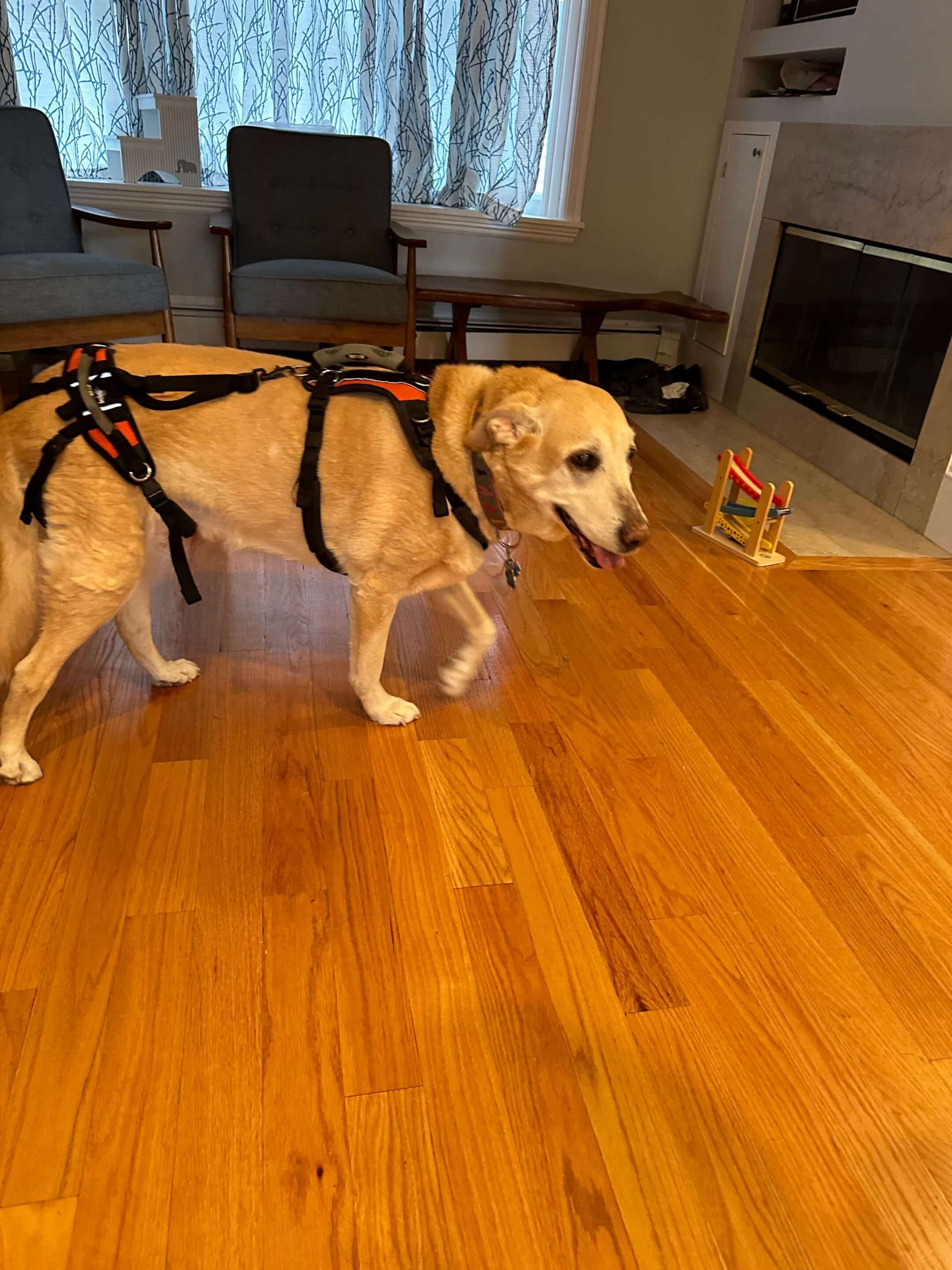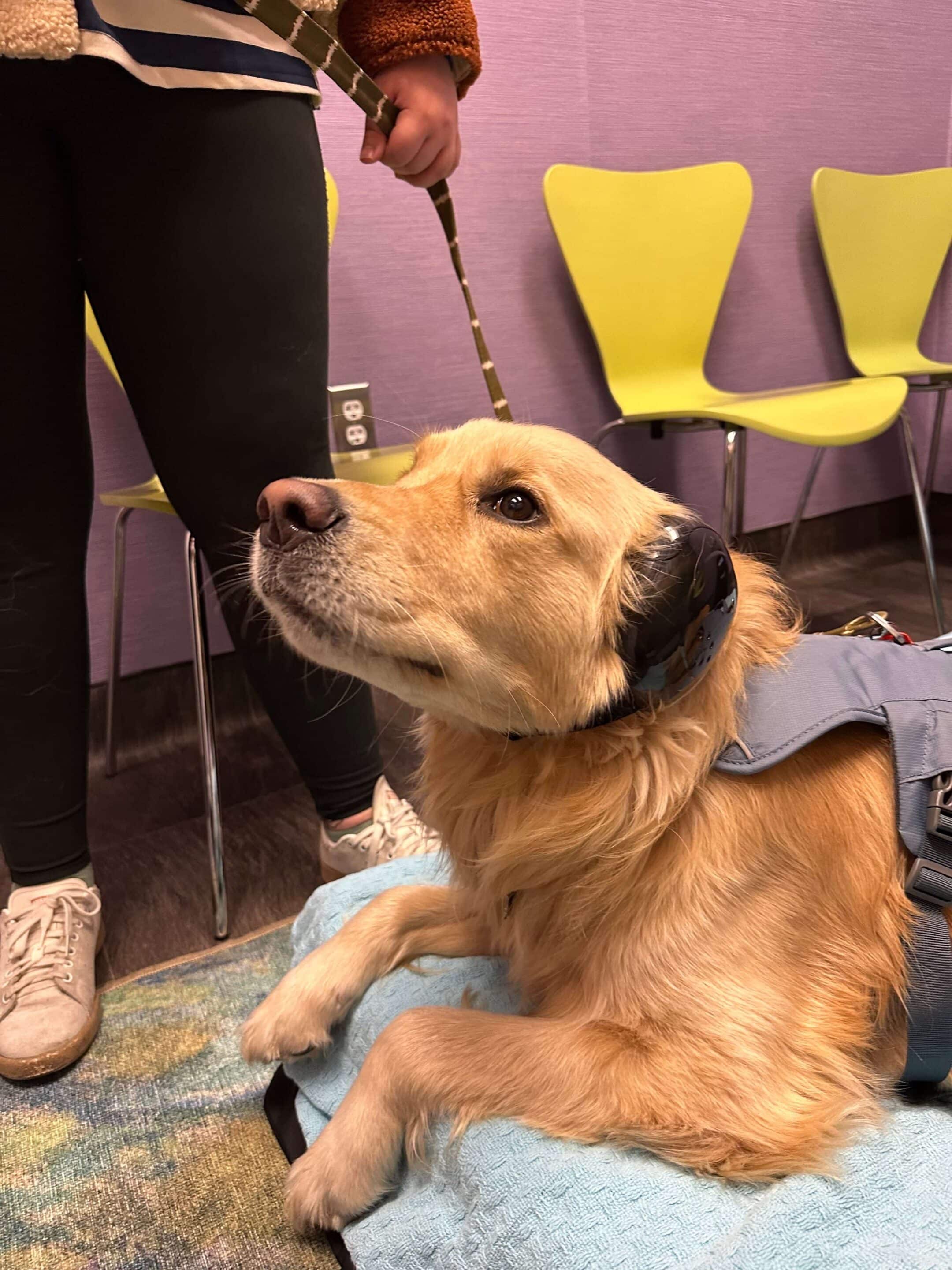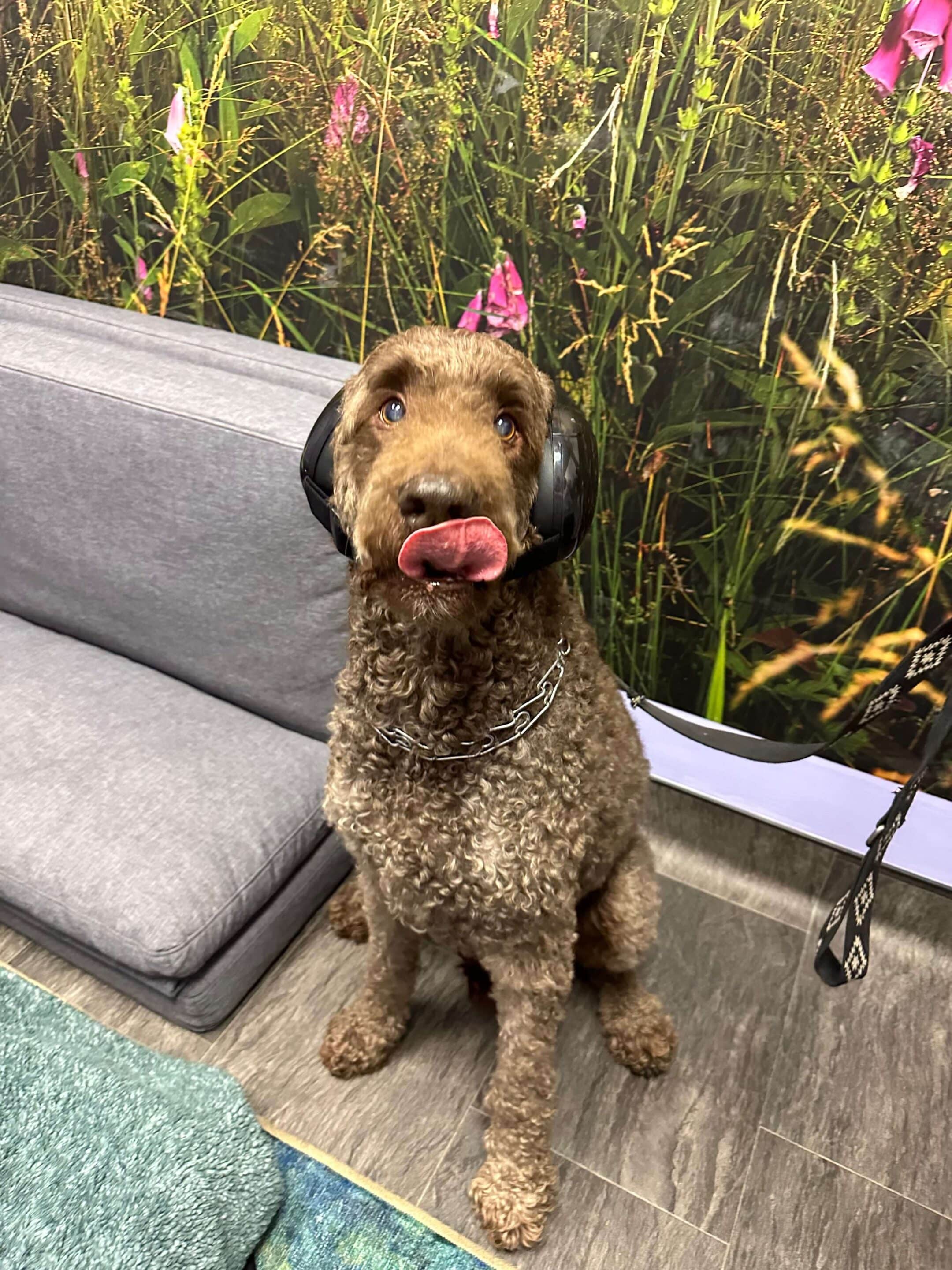

One increasingly valuable tool in veterinary pain management in the Boston area is extracorporeal shockwave therapy (ESWT). Used for decades in human medicine and now widely adopted in veterinary rehabilitation, shockwave therapy offers a non invasive way to reduce chronic pain and stimulate healing — even in older dogs.
What Is Shockwave Therapy for Dogs?
Shockwave therapy uses high energy acoustic waves delivered through the skin to targeted areas of the body. These sound waves travel through soft tissues and trigger a biological response at the cellular level.
Unlike ultrasound or laser therapy, shockwave therapy delivers short bursts of energy that:
- Stimulate blood flow
- Promote tissue regeneration
- Reduce inflammation
- Interrupt chronic pain signaling
Treatments are brief, typically lasting 5–10 minutes per area, and are often performed with light sedation to ensure comfort and precise targeting.
Why Chronic Pain Is Different in Senior Dogs
Chronic pain behaves differently than acute injury. Over time, the nervous system becomes sensitized, meaning pain persists even after the original injury has stabilized. Senior dogs may:
- Move less, leading to muscle loss and stiffness
- Compensation, causing secondary injuries
- Experience reduced circulation and slower tissue repair
Because of this, chronic pain often does not respond fully to rest or medication alone. This is where regenerative therapies like shockwave become especially powerful.
How Shockwave Therapy Helps Senior Dogs with Chronic Pain
Shockwave therapy doesn’t just mask pain — it works by changing the local environment in the tissues.
Key Benefits Include:
1. Improved Blood Flow
Shockwave therapy stimulates new blood vessel formation, delivering oxygen and nutrients to poorly healed tissues.
2. Reduced Inflammation
It helps down regulate inflammatory mediators that perpetuate chronic pain.
3. Tissue Regeneration
Shockwave promotes collagen remodeling and tendon healing, which is especially valuable in aging tissues.
4. Pain Signal Modulation
By disrupting abnormal nerve signaling, shockwave therapy can significantly reduce pain perception.
For many senior dogs, this translates into better mobility, increased activity, and improved quality of life.
Conditions Commonly Treated with Shockwave Therapy in Senior Dogs
Shockwave therapy is commonly used for:
- Osteoarthritis
- Hip dysplasia
- Chronic elbow, shoulder, or knee pain
- Tendon and ligament injuries
- Lumbosacral disease
- Plantar fasciitis like conditions
- Scar tissue and chronic soft tissue pain
It is especially helpful when combined with rehabilitation exercises, acupuncture, laser therapy, or palliative care plans.
Is Shockwave Therapy Safe for Senior Dogs?
Yes — when performed by a trained veterinary professional, shockwave therapy is very safe, even for senior and geriatric patients.
Because it is:
- Non invasive
- Drug free
- Surgery free
It is often an excellent option for dogs who cannot tolerate higher doses of pain medications due to kidney, liver, or gastrointestinal concerns.
Side effects are minimal and may include temporary soreness or mild swelling at the treatment site, typically resolving within 24–48 hours.
What Does a Shockwave Therapy Treatment Plan Look Like in Boston?
Most dogs receive a series of 2–4 treatments, spaced one to two weeks apart. Improvement is often gradual, with many owners noticing:
- Easier transitions from sitting to standing
- Longer walks with less stiffness
- Improved willingness to climb stairs or jump
- Better mood and engagement
Because chronic pain is complex, shockwave therapy works best as part of a customized, multimodal pain management plan.
Shockwave Therapy for Senior Dogs in Boston: Improving Quality of Life
Aging doesn’t have to mean constant discomfort. Shockwave therapy offers senior dogs a chance to move more freely, rest more comfortably, and enjoy their golden years with less pain.
If your dog is slowing down, struggling with mobility, or no longer responding well to medications alone, shockwave therapy may be a powerful next step.
If you are a pet owner in Boston, Cambridge, Somerville, Brookline, Newton, or surrounding Massachusetts communities, talk to a veterinarian trained in pain management and rehabilitation to determine whether shockwave therapy is right for your senior dog — because comfort, dignity, and joy matter at every stage of life.